 ittrainingcertification.com
Understanding core networking protocols and standards
Explain how data moves across networks using standard communication rules.
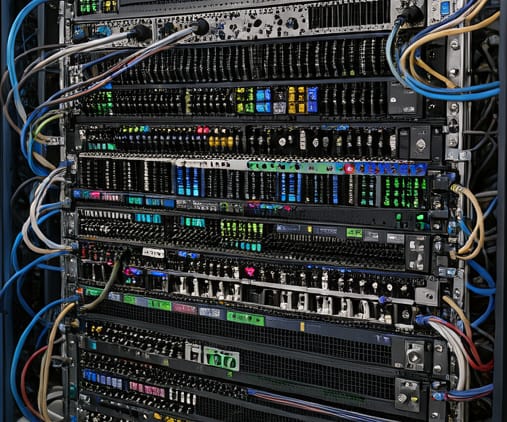
Networking protocols act as the common language that allows devices to exchange information reliably. Without these standardized rules, computers would be unable to interpret the signals they receive. You must understand that protocols define how messages are formatted, addressed, transmitted, and received. This foundational knowledge ensures that diverse systems can communicate effectively, regardless of their hardware or software differences.
The Internet Protocol is responsible for addressing and routing packets of data between networks. It ensures that data reaches the correct destination by using unique numerical identifiers assigned to each device. However, IP alone does not guarantee delivery. You need the Transmission Control Protocol to manage the flow of data. TCP breaks data into packets, tracks them, and reassembles them at the receiving end, ensuring no information is lost during transit.
Port numbers allow multiple applications to run on the same device without conflict. For example, web traffic uses port eighty, while email uses specific ports for sending and receiving. Understanding these standards helps you configure firewalls and troubleshoot connectivity issues. By mastering how protocols and ports interact, you build the skills necessary to maintain stable and secure network environments for any organization.
Protocols provide the rules for device communication.
Key points
- Protocols provide the rules for device communication.
- IP handles addressing, while TCP ensures delivery.
- Port numbers distinguish between different applications.