 nature.tv
Ants Farming Aphids on Oak
Ants tend aphid colonies like livestock, protecting and harvesting honeydew in return for nourishment and shelter.
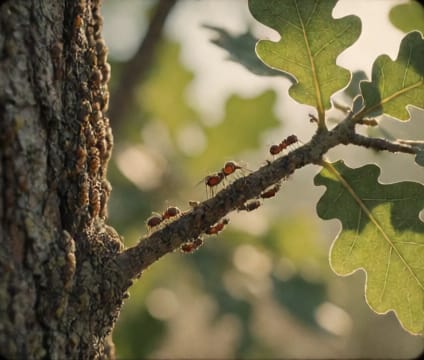
On the bark of an old oak tree, ants move with purpose along a branch, stopping to stroke the backs of clustered aphids with their antennae. The aphids, sap-feeders with no natural defenses, respond by exuding droplets of sugary honeydew. The ants consume this substance as a primary carbohydrate source, while the aphids gain protection from predators and parasites—a mutual relationship that persists throughout the growing season.
Ants do not just visit aphids—they move them to fresh sap flows, relocate them to safer branches, and even remove dead aphids to prevent fungal spread. In winter, some ant species carry aphid eggs into their nests, guarding them until spring. The aphids, in turn, may reduce movement to avoid drawing attention away from their tenders. This interdependence has evolved over millennia, with no single trigger but continuous mutual reinforcement.
The ants’ farming behavior changes with season and colony needs. During peak aphid growth, ants increase tending and transport, while in lean times, they may cull aphid numbers to conserve energy. The oak itself remains neutral, offering resources to both parties, yet suffers little harm—aphids feed on phloem without causing significant dieback. The system balances quietly, with no dominance shown by either species.
This symbiosis is neither domestication nor domestication in the human sense. There is no coercion—only repeated interaction and reciprocal benefit. Cameras mounted on trunks show that ants return daily, reinforcing bonds through routine. The oak stands as a stage where invisible alliances shape the forest’s hidden rhythm.
Key takeaways
- Ants protect and move aphids for honeydew access.
- Aphids gain defense and microhabitat stability.
- Both species benefit without harm to the host tree.
- Relationship is mutual, sustained through daily rituals.
More in Interactions
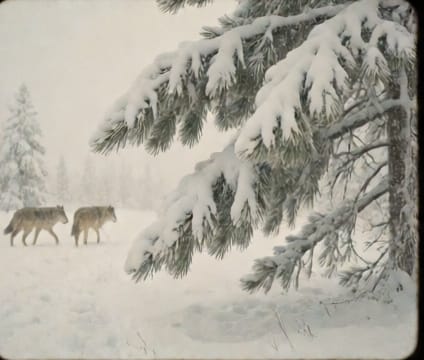
Wolves Hunting in Snowstorm
A snowstorm masks the wolves' approach, revealing how stealth, coordination, and endurance shape survival in harsh winter
Read more →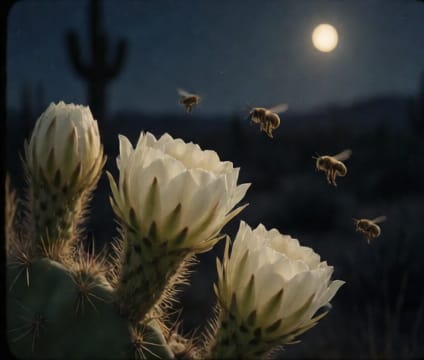
Bees Pollinating Night-Blooming Cactus
Sphinx moths and native bees visit night-blooming cacti, synchronizing flight and vision with the plant’s brief, nocturnal window.
Read more →