 nature.tv
Ethics & Access
We film only with consent, avoid all disturbance, and constantly review practices with biologists and local stakeholders.
We refuse all forms of baiting, habituation, or behavioral manipulation to secure footage. Our crews work with local land stewards and Indigenous groups to obtain free, prior, and informed consent before any filming begins. This collaborative approach ensures cultural sensitivity and ecological responsibility while building trust-based relationships grounded in reciprocity.
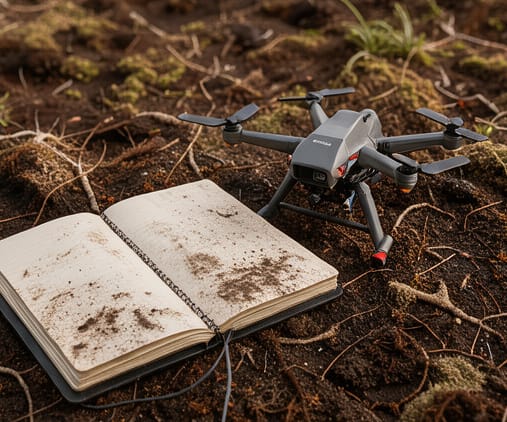
We avoid drones near nesting sites or during sensitive periods like breeding or migration. Field protocols include minimum approach distances, silent operation, and behavioral monitoring to detect stress signs. If animals alter their behavior—even subtly—we halt filming and reassess. These decisions are logged and reviewed quarterly by our ethics advisory group.
We maintain open access to our ethics guidelines and invite external review annually. This includes sharing methodology with conservation partners to refine best practices and adapt to new findings in behavioral ecology. By treating ethics as iterative—not static—we uphold evolving standards and contribute to industry-wide improvement in wildlife filmmaking integrity.