 petrochemicalnews.com
Low-NOx Burner Retrofits in Fireboxes
Upgraded burner designs and combustion tuning practices that cut nitrogen oxide emissions while maintaining reliability and heat transfer efficiency in furnace systems.
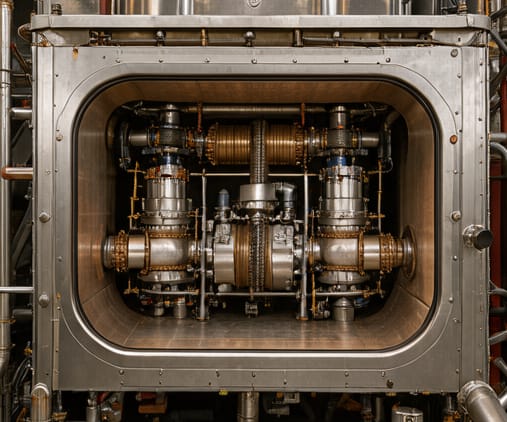
Low-NOx retrofits modify flame structure and mixing patterns to limit thermal NOx formation. Staged air and fuel injection lower peak flame temperatures, while flue gas recirculation dilutes oxygen concentration and moderates combustion rates. These changes maintain heat distribution and avoid cold spots that cause incomplete combustion or fouling.
Retrofit integration requires careful attention to existing ductwork, damper placement, and control logic. Adjustments to draft fans and fuel pressure must preserve draft balance and prevent backfire risks. Combustion optimization often includes real-time oxygen trim and dynamic damper response to accommodate varying load profiles.
Post-retrofit validation involves extended burn tests, opacity checks, and NOx sampling under multiple operating conditions. Operators confirm stability during turndown, rapid load changes, and cold startup phases. Flame uniformity and tube wall temperatures are monitored to ensure no unintended hot spots develop.
The goal is emissions compliance without sacrificing thermal efficiency or furnace capacity. When executed well, retrofits reduce maintenance on convection sections, minimize decoking frequency, and support long-term operability under tightening environmental standards.
Key takeaways
- Staged combustion lowers flame temperature
- Flue gas recirculation reduces oxygen concentration
- Optimization ensures stability at all operating levels
More in Process Innovation
Catalyst Lifetime Extension Methods
Proven operational adjustments and maintenance strategies that prolong catalyst activity and delay replacement cycles across
Read more →
Digital Twin Implementation in Crude Units
Synchronized simulation models that mirror real-time unit behavior to anticipate upsets, guide operator decisions, and test
Read more →