 ittrainingcertification.com
Comparing public and private cloud models
You will be able to evaluate the distinct advantages and limitations of public and private infrastructure to select the appropriate deployment model.
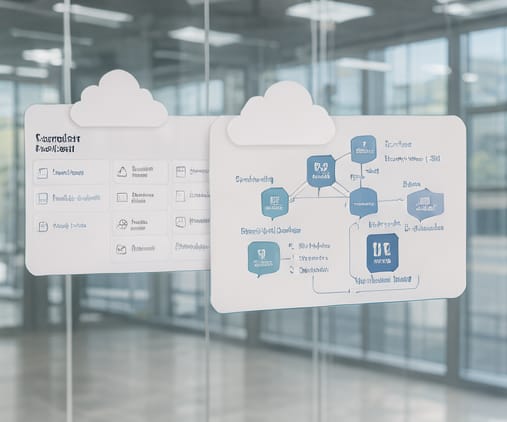
Public cloud services allow organizations to access computing resources over the internet from a third-party provider. This model offers significant scalability and reduced upfront capital costs because the provider manages the physical infrastructure. Users pay for only the resources they consume, making it ideal for variable workloads and rapid deployment needs.
Private cloud environments are dedicated to a single organization and can be hosted on-premises or by a third-party service provider. This setup provides greater control over security, compliance, and data management. It is often chosen for sensitive workloads that require strict regulatory adherence and consistent performance without shared resource contention.
Hybrid cloud solutions integrate both public and private environments, allowing data and applications to move between them. This approach enables organizations to maintain control over critical data in a private environment while leveraging the scalability of the public cloud for overflow workloads. Selecting the right model depends on balancing cost, security, and operational flexibility.
Key points
- Public clouds offer scalability and pay-as-you-go pricing.
- Private clouds provide enhanced security and dedicated control.
- Hybrid models balance flexibility with strict data governance.