 nature.tv
Mangrove Restoration in Southeast Asia
Community-driven efforts replant native mangroves to rebuild coastal buffers against erosion and storm surges.
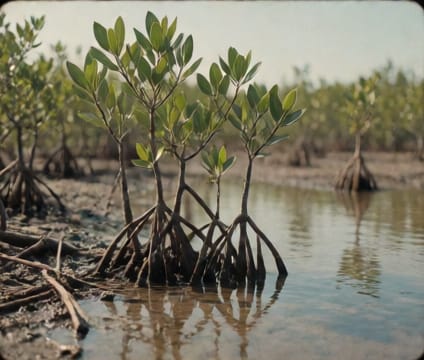
Mangrove forests act as natural shorelines, absorbing wave energy and anchoring sediments. Restoration focuses on selecting region-specific species that thrive in tidal zones and support local marine life.
Planting is timed with seasonal tides to improve sapling survival. Workers use natural materials like bamboo stakes to hold seedlings steady until roots anchor themselves.
Restoration sites are monitored over years to assess growth, biodiversity return, and sediment stability. Success is measured by increased juvenile fish sightings and reduced erosion patterns.
Local stewardship ensures long-term care and discourages encroachment. Villages gain practical skills and earn income through nursery management and planting work.
Key takeaways
- Native species selection boosts restoration success.
- Tidal timing increases sapling survival rates.
- Community stewardship sustains long-term protection.
More in Conservation

Rhinoceros patrols at Night
Trained rangers conduct low-impact night patrols to monitor and protect critically endangered rhinos from poaching threats.
Read more →
Wolf Reintroduction in Yellowstone
Strategic wolf reintroduction restored a keystone predator, triggering cascading ecological benefits across the park.
Read more →