 nature.tv
Wolf Reintroduction in Yellowstone
Strategic wolf reintroduction restored a keystone predator, triggering cascading ecological benefits across the park.
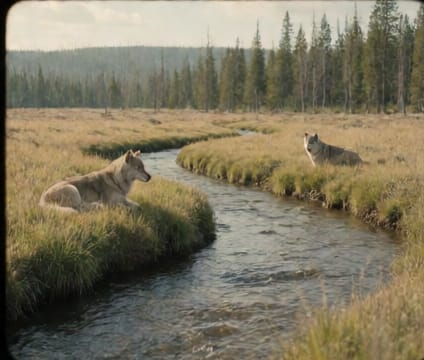
Before wolves returned, elk populations surged and overgrazed riparian zones, degrading stream banks and reducing beaver activity. Their reintroduction aimed to rebalance this dynamic.
Wolves influence prey behavior, causing elk to avoid certain areas and allowing willow and aspen saplings to recover. This regrowth stabilizes riverbanks and recharges groundwater.
Beavers returned as healthy woody vegetation became available, building dams that create wetlands supporting birds, amphibians, and insects. These changes illustrate ecosystem-wide ripple effects.
Monitoring tracks wolf pack dynamics, prey health, and vegetation shifts. This information guides future wildlife management strategies in similar landscapes.
Key takeaways
- Wolves regulate prey behavior and distribution.
- Vegetation recovery reshapes riverbank ecosystems.
- Beaver return enhances habitat complexity and diversity.
More in Conservation

Rhinoceros patrols at Night
Trained rangers conduct low-impact night patrols to monitor and protect critically endangered rhinos from poaching threats.
Read more →
Mangrove Restoration in Southeast Asia
Community-driven efforts replant native mangroves to rebuild coastal buffers against erosion and storm surges.
Read more →