 petrochemicalnews.com
Blending Renewable Naphtha into Crude Units
Integrating bio-derived naphtha into conventional crude distillation units offers near-term CO₂ reduction without major capital investment.
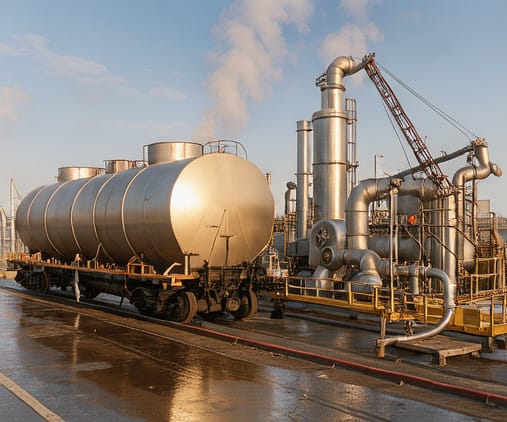
Renewable naphtha, produced via hydrotreated vegetable oils or pyrolysis oils, shares similar boiling ranges and chemical properties with fossil naphtha. This similarity allows it to be blended into crude oil feeds at low to moderate ratios—typically under 10%—without requiring hardware modifications to existing atmospheric or vacuum distillation units.
Processing renewable naphtha in crude units introduces minor operational adjustments, primarily around water formation and catalyst life due to oxygen content. Units must monitor for potential corrosion escalation and manage off-gas composition changes, especially in fired heaters where combustion dynamics may shift slightly.
From a refinery operations perspective, the biggest benefit lies in reduced carbon intensity of resulting products like LPG and light naphtha, which serve as petrochemical feedstocks. This provides immediate compliance value under evolving carbon accounting frameworks without disrupting downstream units or product specs.
Technical feasibility hinges on feedstock quality consistency—oxygen, water, and contaminants like chlorine can challenge hydrotreating units upstream. Successful integration demands robust blending protocols, real-time analytics, and coordination between crude assay teams and petrochemical inlet monitors to ensure stable operation and product quality.
Key takeaways
- Minimal equipment retrofit needed
- Requires strict feed quality control
- Lowers carbon intensity of light products
More in Energy Transition
Electrification of Process Heating Systems
Replacing fossil-fired heaters with electric alternatives offers path to deep decarbonization but demands careful engineering
Read more →
Hydrogen Co-Firing Pilot Outcomes
Blending green or blue hydrogen into fuel gas systems for fired heaters demonstrates technical viability but reveals operational
Read more →