 petrochemicalnews.com
Electrification of Process Heating Systems
Replacing fossil-fired heaters with electric alternatives offers path to deep decarbonization but demands careful engineering for reliability and scale.
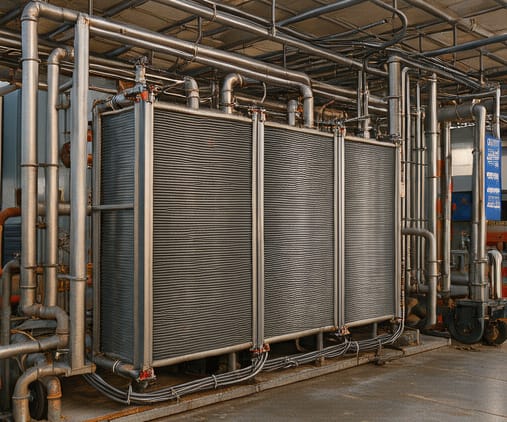
Process heating accounts for a large share of refineries and chemical plants’ Scope 1 emissions. Electrifying these systems—using resistive or heat pump-based heaters—eliminates on-site combustion and aligns with net-zero targets, especially when paired with low-carbon grid power.
Implementation challenges include ensuring sufficient electrical capacity at site, managing transient loads during startup or upsets, and maintaining precise temperature control critical to reaction kinetics and safety margins. Conversion must include robust redundancy strategies to avoid operational interruptions.
Heat transfer design changes are often necessary: electric heaters may have slower ramp rates than flame-based systems, influencing control sequences and requiring updated operating procedures. Integration with existing distributed control systems demands careful retrofitting to preserve alarm integrity and emergency response protocols.
Economic viability hinges on electricity cost structure, carbon pricing mechanisms, and available incentives. Projects favor locations with stable, low-carbon electricity and strong regulatory support, while long-term operations must account for grid resilience and maintenance of high-temperature electric components under cyclic duty.
Key takeaways
- Reduces direct emissions significantly
- Requires grid capacity and control upgrades
- Dependent on electricity source and cost profile
More in Energy Transition
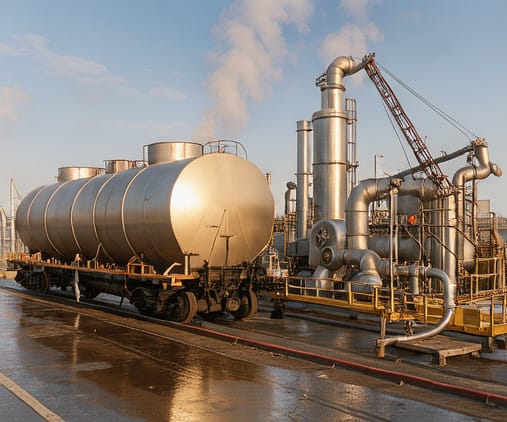
Blending Renewable Naphtha into Crude Units
Integrating bio-derived naphtha into conventional crude distillation units offers near-term CO₂ reduction without major capital
Read more →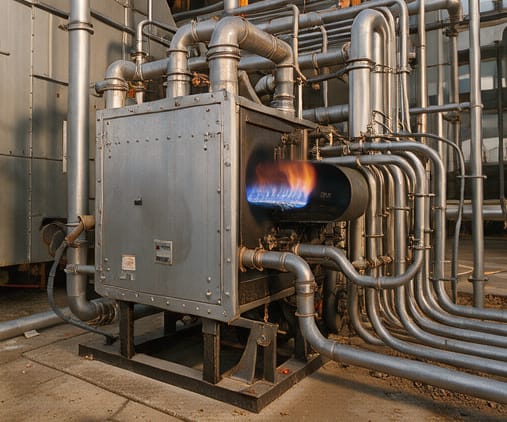
Hydrogen Co-Firing Pilot Outcomes
Blending green or blue hydrogen into fuel gas systems for fired heaters demonstrates technical viability but reveals operational
Read more →