 regularperiods.com
Acne flare-ups
Connecting skin breakouts to cycle phases clarifies hormonal influence and guides preventive self-care.
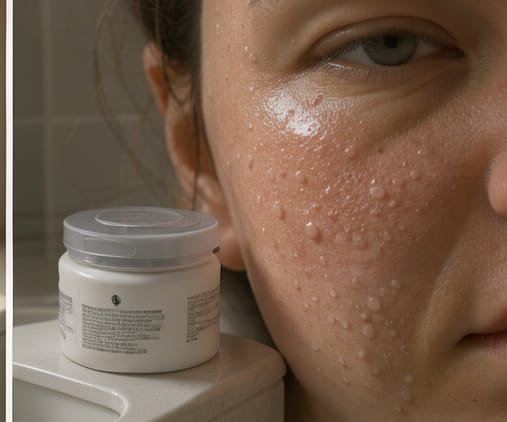
Hormonal acne commonly appears before or during menstruation due to rising progesterone and relatively lower estrogen, which can increase oil production and clog pores. Androgens like testosterone also rise slightly during the luteal phase, contributing to inflammation and breakouts on the lower face, jawline, and neck.
Many people notice acne recurring at the same phase each cycle—often within two weeks before a period. This consistency helps differentiate hormonal acne from stress- or diet-triggered breakouts. Tracking helps confirm whether flares are tied to the cycle or other factors like skincare changes or product use.
While acne alone is not a cause for alarm, persistent or severe outbreaks may indicate hormonal imbalances like PCOS, especially if paired with irregular periods or excess hair growth. Observing patterns supports discussions with dermatologists or gynecologists about underlying causes and appropriate next steps.
Practical tips
- Pinpoint location: jawline, chin, cheeks
- Rate severity: minor spots vs. deep cysts
- Link to phase: luteal, period, or ovulation
General information, not medical advice. More on this from MedlinePlus (US National Library of Medicine).
More in Symptom Journal
Cramping intensity
Tracking how strongly cramps feel across cycles helps identify patterns and rule out unusual pain.
Read more →
Mood shifts
Observing how emotions change across phases supports understanding of hormonal influence and emotional well-being.
Read more →