 regularperiods.com
Mood shifts
Observing how emotions change across phases supports understanding of hormonal influence and emotional well-being.
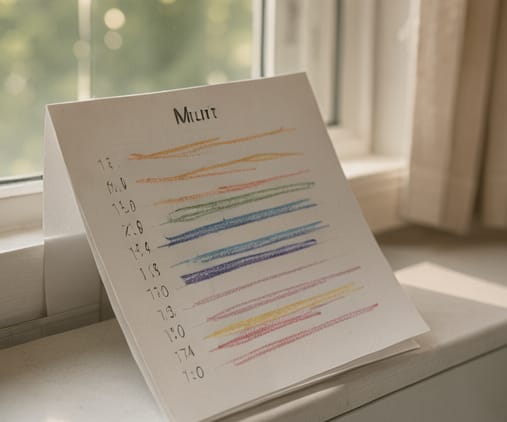
Mood fluctuations are common around menstruation and ovulation due to shifting estrogen and progesterone levels. These hormones interact with brain chemicals like serotonin, which affects mood regulation. Many experience irritability, sadness, or fatigue in the days before a period starts—often called PMS, though experiences vary widely.
Some notice more stable moods mid-cycle when estrogen peaks, while others feel energized during the luteal phase regardless. Stress, sleep quality, and diet also influence emotional responses. Tracking mood over multiple cycles helps reveal whether changes align with phases or stem from external stressors.
Persistent mood shifts—especially severe depression, anxiety, or thoughts of self-harm—can indicate perimenstrual dysphoric disorder or other health concerns. Pattern recognition through journaling helps distinguish cyclical patterns from unrelated emotional health challenges, enabling timely support.
Practical tips
- Tag mood with energy level and sleep quality
- Use simple terms: calm, anxious, low, etc.
- Record any triggers like conflict or fatigue
General information, not medical advice. More on this from MedlinePlus (US National Library of Medicine).
More in Symptom Journal
Cramping intensity
Tracking how strongly cramps feel across cycles helps identify patterns and rule out unusual pain.
Read more →
Acne flare-ups
Connecting skin breakouts to cycle phases clarifies hormonal influence and guides preventive self-care.
Read more →