 regularperiods.com
Basal body temperature
Basal body temperature is the lowest resting body temperature, typically measured first thing in the morning, and helps identify ovulation patterns.
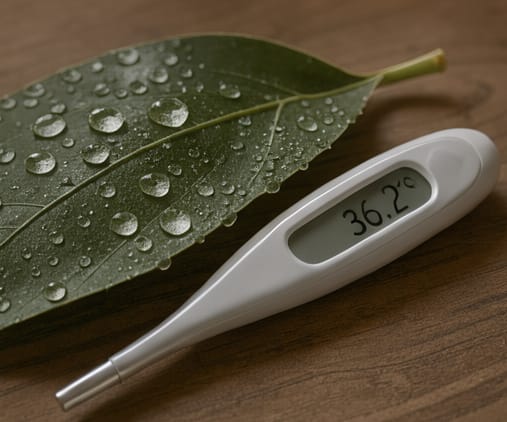
Basal body temperature (BBT) is the body’s temperature at complete rest, usually taken orally, vaginally, or rectally immediately upon waking and before any activity. It changes subtly in relation to hormonal shifts during the menstrual cycle: it tends to be lower in the first half of the cycle and rises slightly—often by 0.4 to 1.0 degree Fahrenheit—after ovulation due to increased progesterone.
To detect ovulation, a sustained temperature shift—typically lasting at least three days—is considered a reliable sign that ovulation has occurred. Charting BBT over multiple cycles can reveal patterns in cycle length, luteal phase duration, and potential anovulatory cycles. While useful, it only confirms ovulation retroactively and must be tracked daily at the same time for accuracy.
Many people use digital thermometers and apps to track BBT trends. Temperature can be affected by illness, alcohol, poor sleep, or waking at inconsistent times, so maintaining consistent measurement habits is important. Over time, individual patterns emerge, helping users understand their unique cycle rhythm and anticipate fertility windows.
Practical tips
- Take temperature at same time each morning before getting up.
- Record daily—even small changes matter over time.
- Avoid alcohol, illness, or late sleep before measuring.
General information, not medical advice. More on this from MedlinePlus (US National Library of Medicine).
More in Pattern Tracking

First day of bleeding
Marking the first day of full menstrual flow begins the cycle clock and helps track cycle length and regularity.
Read more →
Cervical mucus quality
Cervical mucus changes in amount and texture throughout the cycle, offering clues about fertility and hormonal health.
Read more →